1882
Sydney Eye Hospital begins
The Sydney Eye Hospital was established at Millers Point before moving to Woolloomooloo in 1922.
Important service update
AODI’s service transition began on 1 October 2026, with services at Gordon Eye Surgery scheduled from mid-October 2026. Please confirm your appointment before attending.
Important service update
The service transition began on 1 October 2026, with services at Gordon Eye Surgery scheduled from mid-October 2026. Please confirm your appointment before attending.
Australian Ophthalmic Diagnostic Institute
AODI is Australia's leading centre for visual electrodiagnostic testing. We diagnose conditions that no scan or imaging test can find — and open pathways to treatments, including gene therapy, that change lives.
What we diagnose
When standard ophthalmic assessment cannot explain why sight is failing, AODI's electrodiagnostic tests localise the fault at the cellular level — layer by layer, from photoreceptor to brain. Each diagnosis opens a treatment path that was otherwise closed.
Precise diagnosis and eligibility assessment for gene and cell therapies. AODI is one of only two sites in Australia approved to deliver Luxturna — the country's first approved gene therapy for genetic blindness.
Gene therapy gatewayVision loss can be the earliest sign of an occult malignancy. Electrodiagnostic testing opens a window to find the cancer before it spreads — and in some cases, before any other symptom appears.
Early detectionWhen every scan returns normal but sight continues to fail, AODI finds the fault. Objective measurement of retinal function provides the answers that imaging alone cannot.
The last diagnostic stepWe measure visual function in infants and children who cannot describe what they see. No subjective test reaches what electrodiagnostic assessment can achieve.
Objective assessmentLong-term medications including hydroxychloroquine can cause silent retinal damage. AODI detects toxicity before it becomes irreversible, protecting vision across thousands of patients.
Prevention & monitoringProviding the functional endpoints on which national and international trials depend, and diagnosing autoimmune retinopathies where identification enables life-changing treatment.
Research & innovationAll figures current as at June 2026. Referrals received from across New South Wales and every other Australian state.
Who we help
AODI serves a wide spectrum of patients — from newborns assessed within days of birth to adults managing long-term systemic conditions. What they share is a question that no other service in New South Wales can answer for them.
We receive referrals from ophthalmologists, neurologists, oncologists, rheumatologists and general practitioners across the country. For many patients, a referral to AODI is the moment their diagnostic journey finally moves forward.
We currently see between 110 and 134 new referrals each month, drawn from all parts of New South Wales and beyond. The active patient panel includes people with inherited disease, acute visual loss, chronic inflammatory conditions, and those qualifying for or already receiving gene therapy.
Our history
AODI builds on more than a century of Sydney eye health milestones — from the founding of Sydney Eye Hospital, through university ophthalmology and the Save Sight Institute, to today’s specialist diagnostic service.
1882
The Sydney Eye Hospital was established at Millers Point before moving to Woolloomooloo in 1922.
1964
The Discipline of Clinical Ophthalmology and Eye Health was established at The University of Sydney, strengthening academic ophthalmology in Australia.
1974
The Lions NSW-ACT Save Sight Foundation was launched to support research, education, and improved eye health.
1985
The Save Sight Institute was established through The University of Sydney, Sydney Eye Hospital, and the Lions Save Sight Foundation.
1989
Save Sight Institute established a presence at Sydney Eye Hospital, strengthening links between research and patient care.
2007
Professor John Grigg was appointed Head of the Discipline of Clinical Ophthalmology and Eye Health, supporting the growth of specialist eye research and care.
2009
Professor Peter McCluskey AO was appointed Director of the Save Sight Institute, leading a major period of research and clinical development.
2026
AODI took over the next chapter of this specialist diagnostic legacy, continuing the commitment to advanced ophthalmic testing, research, and patient care.
Centre of excellence
Forty years of unbroken clinical operation has built a depth of expertise, a research portfolio, and a patient panel that no other service in Australia can match.
AODI offers the complete range of electrodiagnostic tests — full-field ERG, multifocal ERG, pattern ERG, electrooculography, and visual evoked potentials — under one roof, interpreted by clinicians who are leaders in their subspecialties.
AODI's clinical work is the foundation for a research pipeline in inherited retinal disease, autoimmune retinopathy, and genomic therapy. The Institute will host the 63rd ISCEV Symposium in Sydney — bringing the global field to Australia.
AODI is committed to training specialist scientists and clinicians in electrodiagnostic medicine. A named fellowship programme will ensure the field has leaders for the decades ahead.
This heralds a new era for people who otherwise have a life of blindness ahead of them — and hope for more than 15,000 affected Australians.
Prof John Grigg · Save Sight Institute
The Team
AODI brings together clinical and operational leaders whose combined expertise spans ophthalmology, electrodiagnostic science, research, and the running of public-private diagnostic services.
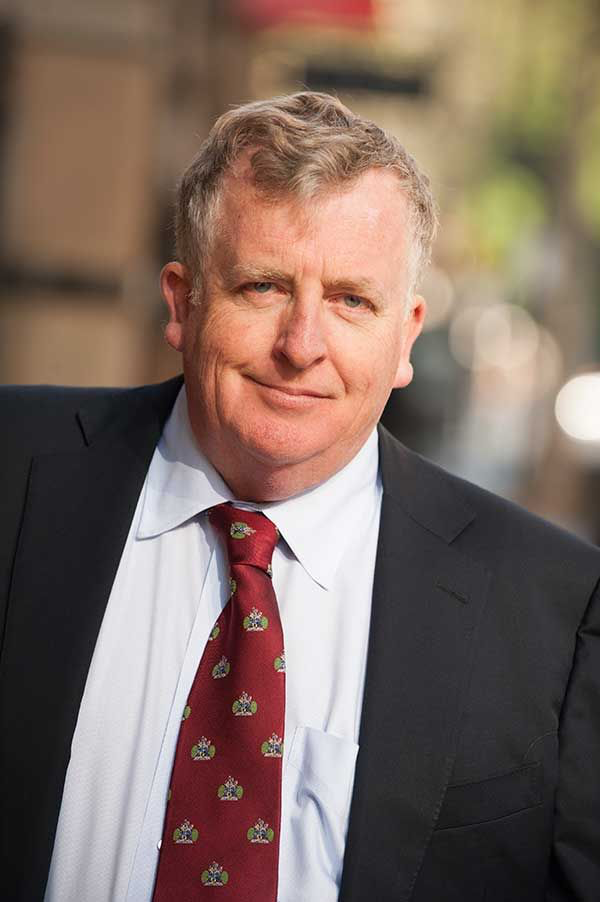
Institutional Anchor
President, Royal Australian and New Zealand College of Ophthalmologists. Professor of Ophthalmology, University of Sydney. Based at the Save Sight Institute, Sydney Eye Hospital.
The most senior clinical voice in Australian ophthalmology committed to AODI's mission.
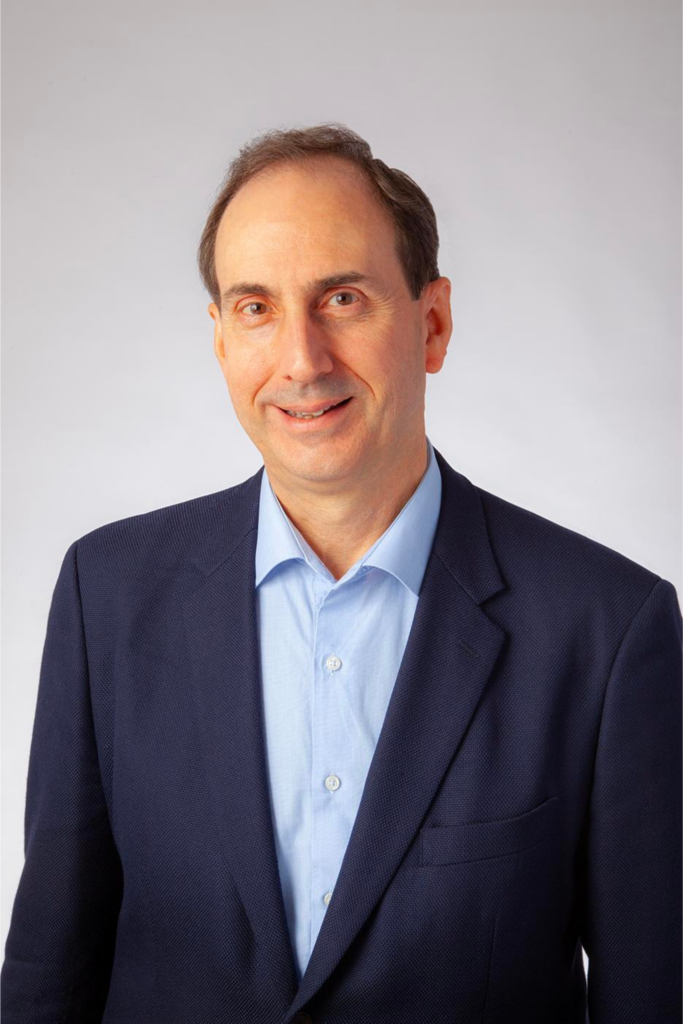
Clinical Lead
Head of the Discipline of Ophthalmology at The University of Sydney’s Save Sight Institute. Consults at Sydney Eye Hospital and The Children’s Hospital Westmead.
Forty years of electrodiagnostic expertise and the research relationships that will define AODI's future.
Medical Retina & Uveitis Specialist
Consultant Eye Surgeon and Staff Specialist at Sydney Eye Hospital and Westmead Hospital, with expertise in medical retina, uveitis, glaucoma, cataracts, and inherited eye disease.
A clinical academic advancing research and care for complex retinal, uveitic, and inherited eye disorders.
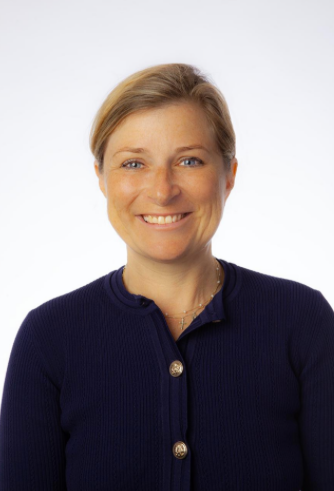
Medical Retina & Uveitis Specialist
Consultant Eye Surgeon and Staff Specialist at Sydney Eye Hospital, specialising in medical retina, inflammatory eye disorders, glaucoma and cataract.
A clinical academic and investigator focused on uveitis, retinal disease, and complex eye disorders.
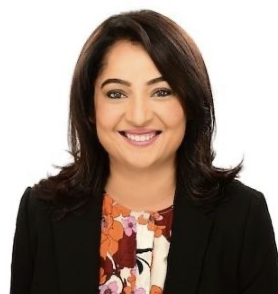
Medical Retina & Cataract Specialist
Comprehensive ophthalmologist with subspecialty training in medical retina, uveitis, inherited eye disorders, and complex cataract surgery.
A clinician-scientist combining evidence-based retinal care, visual electrophysiology, and complex cataract expertise.
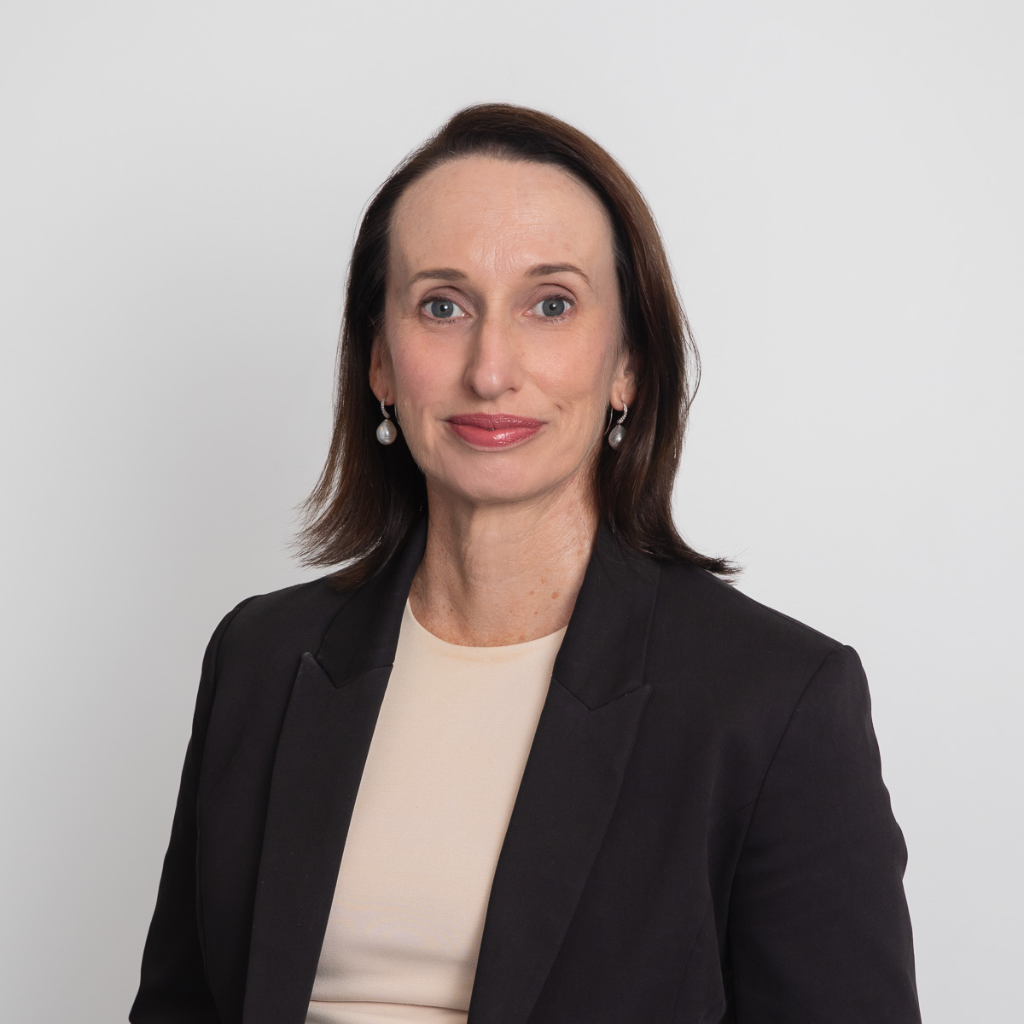
Operations Lead
General Manager, Gordon Eye Surgery. Operates the directly comparable public-private clinical arrangement at Griffith Hospital, the model on which AODI is built.
The operational and financial architecture that makes AODI viable, sustainable, and built to grow.
Patient consent
Download and complete the consent form to allow AODI to receive and use relevant clinical records for your referral.
Download consent formGet in touch
Whether you are a patient seeking a referral, a clinician wishing to refer, or someone interested in supporting AODI, we welcome your enquiry.
For Patients & Referrers
For public electrophysiology at Sydney Eye Hospital, referrals must go directly to the hospital, not AODI.
Download AODI referral formComplete consent form